
Go on a Foraging Experience
With OS Maps and Apps: Enjoy Nature at its very Best
Foraging is definitely a different way to explore our amazing British Isles
There is only one organisation you will need - Ordnance Survey
Stepping into our wild landscapes to forage for nature's seasonal harvest is one of the most rewarding outdoor pursuits a family can share.
The Pathfinding Choice
The Target Family Explorer
The Navigational Features
Choose Your Pathfinder
Option A: Accessible Trails
(Short Walks Made Easy)
The Multi-Generational Walk:
Perfect for young families with toddlers, pushchairs, or grandparents using wheelchairs who want absolute safety and flat paths.
Turn-by-Turn Reassurance at every point:
Ultra-clear walk maps featuring step-by-step photos of key trail markers, easy-to-follow route profiles, and zero technical gear requirements.
Option B: The Explorer
(OS Pathfinder Collection)
The Curious Forager that Loves to Explore:
Designed for active walkers who want to deep-dive into specific British regions, tracking ancient lanes and local woods.
Detailed Map extracts packed full of detail:
Up to 28 circular routes per book, thoroughly tested by expert walkers and packed with local history notes and rich wildlife spotting guides.
Option C: Go Digital
(The OS Maps Mobile App)
The Modern Digital Navigator:
Built for the tech-conscious family who wants live, offline GPS satellite tracking layered over traditional paper cartography.
Immersive 3D Trail Mapping:
Instant access to every single Explorer and Landranger map across the UK, featuring offline route downloads and aerial terrain flyovers.
Accessible Trails: Walks Made Easy for Everyone
True outdoor exploration means making the landscape completely stress-free for every generation.
We feature the official
OS Short Walks Made Easy series because they are specifically designed for multi-generational families. Featuring simple turn-by-turn directions, clear route profiles, and reassuring photos of key markers, these paths require zero specialist gear.

Accessibility is explicitly highlighted, allowing pushchairs and wheelchairs to glide through the countryside smoothly.
Photo by Alla Kemelmakher on Unsplash
The Forager's Code: Responsible Harvesting Legislation
We bypass marketplace guesswork by aligning our guides with strict environmental law.
Responsible foraging relies on three strict pillars of expertise: Legal Compliance under the Wildlife and Countryside Act 1981 (allowing personal gathering of leaves, nuts, berries, and fungi, but strictly forbidding the uprooting of any wild plant without landowner permission), The Rule of Thirds to leave plenty of growth for local wildlife regeneration, and a Strict Identification policy demanding 100% certainty before anything is picked.
Go Foraging in our National Parks
Respect, Protect, Enjoy:
The OS Countryside Code
Ordnance Survey incorporates the statutory guidelines of The Countryside Code into the very fabric of its mapping products. Their mission is to explicitly educate the explorer to leave no trace, protect local wildlife habitats, and stick strictly to legal public rights of way.
Their detailed 1:25,000 Explorer layouts use custom shading borders to show you exactly where Sites of Special Scientific Interest (SSSIs) and fenced nature reserves sit—giving your family the physical visual tools to know where you can legally step.
Graded Country Rambles:
The Pathfinder Collection
For families looking to extend their autumn and winter outings into the deeper valleys of our National Parks, the OS Pathfinder Guides offer up to 28 circular routes thoroughly tested by seasoned walkers.
Ranging from short strolls to longer day trips, each guide features detailed Explorer map extracts with clear route overlays, helpful Nature Notes to spot local wildlife, and fascinating points of local history.
From Field
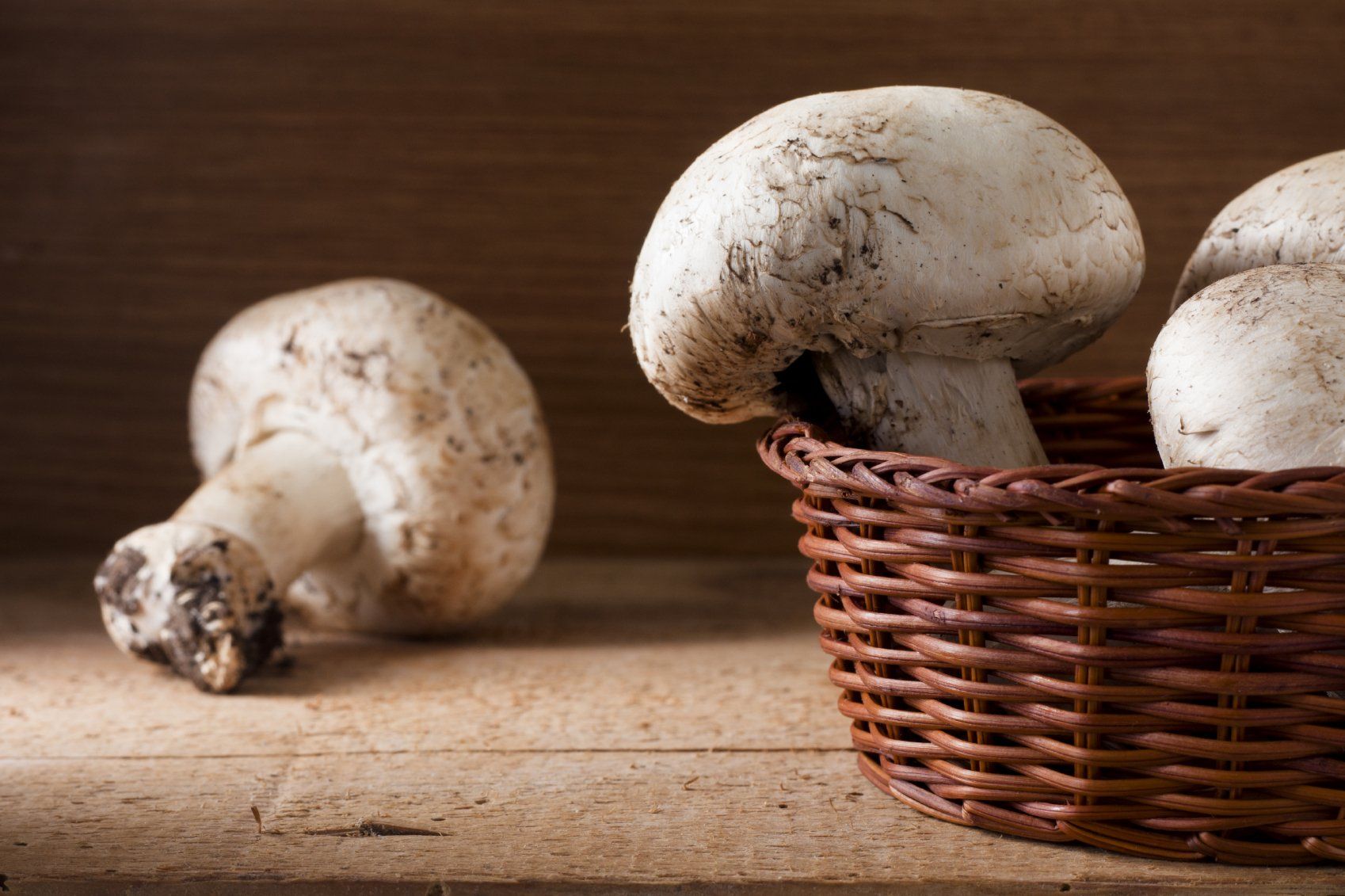
To Plate

Q: Is it legal to forage for wild food in the UK's National Parks?
A: Yes, it is entirely legal to forage for wild leaves, nuts, berries, and fungi for personal consumption under the Wildlife and Countryside Act 1981. However, it is strictly illegal to uproot any wild plant or commercialise your harvest without explicit landowner permission.
Q: How do I know if I am accidentally trespassing while foraging?
A: This is why Ordnance Survey maps are indispensable. By using an OS 1:25,000 Explorer map or the OS Maps App, public rights of way, open access land, and private boundaries are clearly color-coded, ensuring you stay safely on legal ground.
Q: What is the "Rule of Thirds" in responsible foraging?
A: It is a core conservation rule. Sustainable foragers only harvest one-third of a healthy patch of plants or berries, leaving one-third for the local wildlife to feed on, and one-third completely untouched to ensure the plant regenerates for next year.
Q: Can I forage inside a Site of Special Scientific Interest (SSSI)?
A: No, you should avoid harvesting within an SSSI or a designated Nature Reserve. These highly protected zones host rare and vulnerable ecosystems. You can instantly spot these boundaries on an OS map by looking out for their distinct shaded geometric borders.
Do Ordnance Survey work with farmers?
Find out moreBritish tractors can work to accuracies of 1.5cm in any field.
CNH Industrial manufacture tractors for customers all over the world, every one with customer specific preferences, but all UK tractors have one thing in common OS NET from Ordnance Survey a hyper accurate network of positioning base stations.
A farm customer says "Having machines operating at 100% efficiency to an accuracy as tiny as 1.5cm means we eliminate overlaps, plus the high repeatability means we can link tractors together so that if one is following the other the precision means the wheel tracks are in exactly the same place.
Depending on the system, reports CNH Industrial, we could be saving between 5 and 10% on fertiliser and seed used in the field.
🍇 1. Autumn Hedgerow Fruits (The Easiest Pickings)
- Blackberries (Brambles): The undisputed king of easy foraging. Found in almost every hedgerow, woodland edge, and urban green space from late August through October. They are unmistakable, delicious, and perfectly safe for toddlers to pick.
- Sloes: The small, dark purple, dusty-looking berries of the Blackthorn bush. They are incredibly bitter raw, but families love harvesting them after the first sharp frost to infuse into traditional homemade winter sloe gin or warming syrups.
- Elderberries: Hanging in heavy, dark purple drooping clusters from Elder trees in early autumn. They must be cooked before eating, but they make magnificent, immunity-boosting winter cordials and crumbles.
- Rosehips: The bright red, shiny seed pods of the wild dog-rose bush that stand out spectacularly against bare winter branches. Packed with Vitamin C, they were traditionally harvested across Britain to make sweet, comforting winter syrups.
🍃 2. Common Wild Greens & Nuts (Available Year-Round)
- Sweet Chestnuts: Found scattered across woodland floors in autumn inside spiked, green, hedgehog-like cases. Unlike toxic Horse Chestnuts (conkers), Sweet Chestnuts are teardrop-shaped with a sharp tufted point. Roasting them over an open fire or an RHS terrace chiminea is a classic winter comfort ritual.
- Wild Garlic (Ramsons): Arriving in abundance as the season flips toward spring ("Spring into Summer"). They carpet damp woodland floors with vibrant green leaves and white flowers, filling the air with a distinct garlic aroma that makes identification 100% foolproof.
- Nettles: The bright green tips of young stinging nettles are incredibly abundant. Once blanched in boiling water (which destroys the sting completely), they taste exactly like rich, iron-dense spinach and make a beautiful, comforting country soup.
Ecotherapy Our Social Pillar of Health
Social Health and Nature
At Naturally Sustainable we believe that true wellness is communal. Our Social Pillar of Health is rooted in Ecotherapy - the practice of restorative socialising within the natural world. We can help you access Regenerative Gardening workshops through the Royal Horticultural Society or the Soil Association. There is an Ordnance Survey Programme "BUDDY UP and GET OUTSIDE full of practical help to buddy up locally, or wherever you choose. Our pages include nationwide nature walks, there is sure to be one near you.
Explore our plastic free short break choices from one of our three partners: Holiday Cottages, Macdonald Hotels and Spas and the Inn Collection Group. Use any button to read about their plastic free, and sustainable activities, and join a plastic free movement where personal growth and environmental restoration go hand-in-hand. Ecotherapy is a wonderful way to rediscover the joy of belonging to a landscape and a community that thrives together.

